
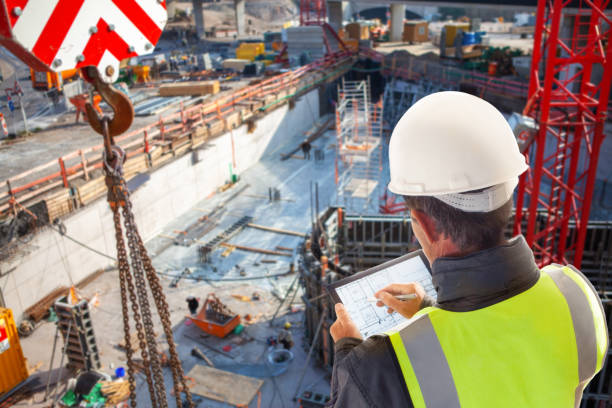
Development projects begin long before concrete, asphalt, or foundations appear on a site. Technical evaluation of land conditions, infrastructure access, and local requirements shapes the direction of every successful project. Civil engineering consultants provide the technical understanding that allows developers to move forward with confidence and avoid costly surprises.
Guidance on Turning Raw Land into Build Ready Sites
Undeveloped land often hides conditions that affect construction potential. Soil stability, slope patterns, floodplain boundaries, and surrounding infrastructure all influence whether a property can support buildings, roads, and utilities. Civil engineering consultants evaluate these factors early so developers understand how the land can realistically be used. Careful site analysis often determines where building pads, road entrances, and drainage systems should be placed. Engineers review survey information and environmental constraints to shape a development plan that works with the property rather than against it. Many civil engineering firms provide this guidance before architectural design begins, allowing projects to start with accurate site data.
Knowledge of Local Regulations and Approval Steps
Municipal development rules include zoning standards, drainage requirements, traffic guidelines, and infrastructure design criteria. Civil engineering companies understand how these regulations affect land development and prepare the technical documents required for approval. Their work includes site plans, drainage studies, and infrastructure layouts that meet local engineering standards.
Regulatory review often involves multiple departments such as planning boards, transportation agencies, and environmental offices. Civil engineering services help interpret agency feedback and adjust plans accordingly. Engineers familiar with the approval process can address review comments quickly, helping projects move forward without unnecessary delays.
Planning Drainage Before Construction Begins
Rainwater management affects nearly every development project. Buildings and pavement prevent water from soaking into the ground, which increases runoff during storms. Civil engineering consultants design drainage systems that move water safely across the site and into controlled discharge points.
Hydrologic calculations determine how much water flows across the property during intense rainfall. Engineers use those calculations to design detention ponds, storm drains, and channels that protect structures and nearby land. Effective drainage planning allows construction to proceed without creating flooding risks for neighboring properties.
Utility Layouts That Support Future Development
Infrastructure beneath the surface must support both present construction and future expansion. Engineers design water lines, sanitary sewer systems, and utility corridors that supply reliable service throughout the development. Civil engineering firms calculate pipe capacity and system layout to ensure utilities function properly as demand grows.
Utility planning also considers maintenance access and future connections. Engineers position pipelines and service lines in locations that allow additional buildings or phases to connect later. Civil engineering services focus on efficiency so infrastructure can expand without major reconstruction.
Accurate Site Grading for Safe Construction
Natural ground conditions rarely match the elevation needs of buildings, roads, and parking areas. Grading plans reshape the site so structures rest on stable ground and water flows away from foundations. Civil engineering consultants calculate slope angles, elevation changes, and soil movement to guide construction crews.
Earthwork planning also reduces unnecessary hauling of soil across the project area. Engineers balance cut and fill volumes so the site can be shaped efficiently. Civil engineering companies prepare grading designs that improve drainage while supporting structural stability for long term performance.
Coordination with Architects and Construction Teams
Development projects involve many professionals working toward the same goal. Architects design buildings, contractors manage construction, and planners review zoning requirements. Civil engineering firms often connect these groups by translating site conditions and infrastructure needs into practical design solutions. Communication between teams ensures that building layouts align with drainage systems, utility lines, and road access points. Civil engineering consultants review plans alongside architects and contractors to confirm that technical requirements fit the project design. Clear coordination helps prevent conflicts between site infrastructure and building construction.
Solutions for Challenging Site Conditions
Certain properties present technical challenges that require creative engineering approaches. Steep slopes, poor soil conditions, or nearby waterways may limit development options. Civil engineering consultants study these obstacles and develop solutions that allow construction while maintaining safety and regulatory compliance. Engineers may recommend retaining structures, specialized drainage systems, or modified grading plans to stabilize difficult terrain. Civil engineering companies rely on field experience and technical analysis to transform complex sites into workable development areas.
Technical Insight During Early Project Planning
Early planning decisions influence project costs, construction schedules, and long term infrastructure performance. Civil engineering services provide technical analysis during these early stages so developers can evaluate feasibility before committing to design or construction.
Engineers review survey information, infrastructure access, and regulatory requirements while preparing early development concepts. Civil engineering consultants often identify potential challenges before detailed plans are prepared, allowing adjustments that reduce risk and protect project budgets.
Ivaldi Engineering provides experienced civil engineering services that support safe and efficient land development from the earliest planning stages. Their team assists developers by evaluating site conditions, reviewing infrastructure capacity, and addressing regulatory requirements before construction begins. Many projects benefit from working with professionals who understand grading design, drainage planning, and infrastructure coordination. Developers searching for a dependable civil engineer near me often rely on knowledgeable civil engineering consultants like those at Ivaldi Engineering to guide projects toward successful completion.
