
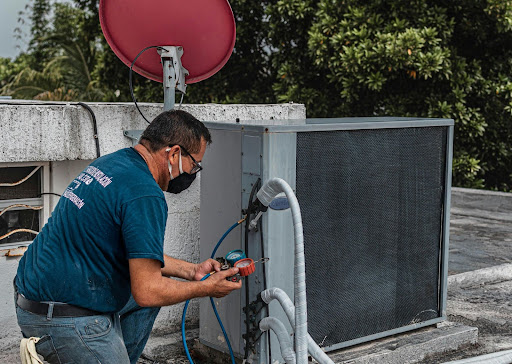
Heating and cooling systems play a crucial role in maintaining a comfortable and healthy indoor environment in your home. These systems regulate the temperature, humidity, and air quality. They provide a warm and cozy space during the winter months and a cool and refreshing space during the summer months.
Here are five tips to increase the efficiency of your heating and cooling system:
Change Air Filters
The air filters of your HVAC system play a crucial role in maintaining proper functionality. They remove allergens, smoke, and airborne bacteria from the air. A clogged air filter not only blocks the normal airflow but decreases the indoor air quality. It can also trigger asthma and allergy symptoms.
Dirty air filters will also make the system work harder to keep your home warm or cool. Change the air filters at least every three months to maintain the efficiency of your cooling and heating system and to ensure healthy living.
Inspect HVAC for Repair
HVAC systems are a necessary investment for homeowners, but they can be costly. To extend their lifespan, inspect your HVAC system regularly. Call a reliable technician to asses its functioning and take the necessary steps. Most HVAC repair services include:
- Replacing dirty air filters
- Cleaning AC coils
- Replacing fault capacitors
- Testing indoor air quality
- Fixing the thermostat
Most technicians conduct an energy audit to find problem areas. These preventive repairs will save you from hefty costs in the future.
Consider Furnace Maintenance
The heating system of your home depends upon the furnace. It is the primary heating source and distributes warm, clean air throughout your living space. Different sources, including natural gas, oil, and electricity, can power a furnace. Regular maintenance of this critical component improves airflow and provides maximum comfort.
Furnace maintenance ensures it doesn’t break down in the middle of a cold winter night. It will also increase the longevity of your heating and cooling system. Moreover, regular tune-ups can reduce energy usage by 30%.
Inspect Your Ductwork
Dust, allergens, and debris can build up in your HVAC ducts, which will then circulate throughout your house. Mold and mildew can also deteriorate the air quality. To avoid this, regularly inspect your ductwork. You can clean the vents with a soft brush or cloth.
Scrub around the walls to prevent grease and oil stains from building up. You can also vacuum the ceiling vents. Professional duct cleaning is recommended at least once a year. Trained technicians will not only clean your vents but also detect leaks or cracks.
Install a Smart Thermostat
A smart thermostat allows you to adjust the heating and cooling system of your home from any smart device, including phones, tablets, and laptops. These are Wi-Fi enabled, giving you remote access.
A smart thermostat learns your heating and cooling patterns and preferences and makes automated adjustments. Modern thermostats also send alerts and reminders for maintenance tasks. All these features help you maximize the efficiency of your heating and cooling system.
