
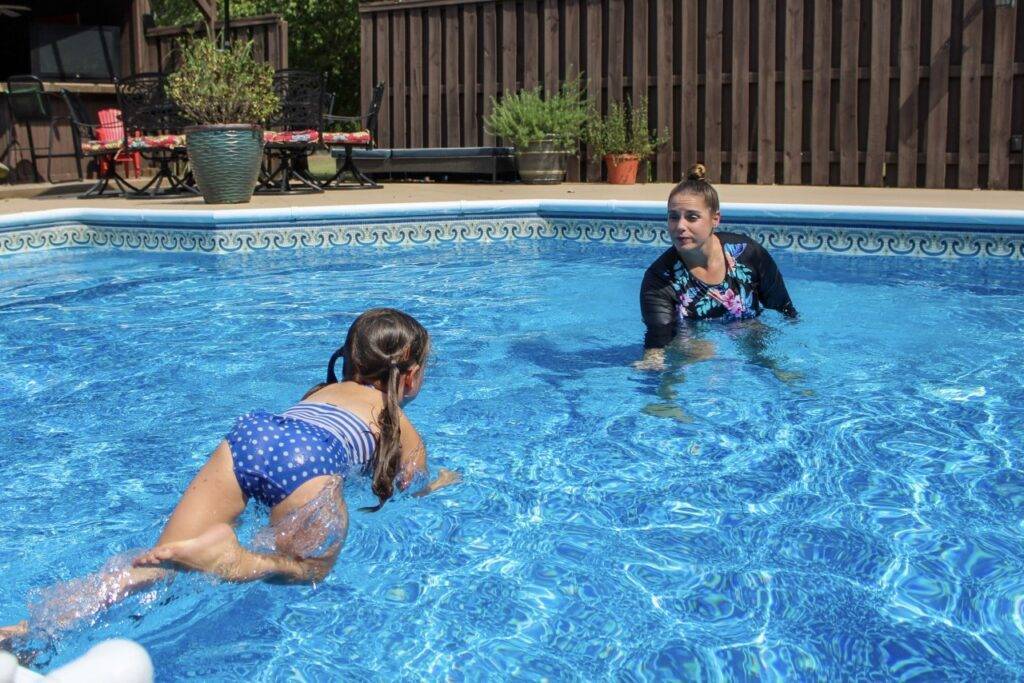
Parents who want their children comfortable in the water from an early age often wonder what to expect from infant swimming lessons. The idea of starting so young brings curiosity, excitement, and plenty of questions. Infant swimming classes near me are designed not only for safety but also to create confidence and enjoyment in the water.
Common Concerns Parents Raise Before Infant Swim Enrollment
Parents usually have a list of questions before signing up their babies for infant swimming lessons. The most common involve health and safety: worries about ear infections, water temperature, and whether a baby is too young to be in a pool. These concerns are natural since placing an infant in a structured setting like a class can feel intimidating at first. Experienced instructors reassure families by addressing these questions clearly and explaining how lessons are tailored for each child’s age and comfort level.
Another frequent question involves how much progress to expect. Parents often ask if their child will be “swimming” after a few sessions. Instructors clarify that infant swimming lessons Huntsville AL focus more on water familiarity, breath control, and basic safety habits rather than competitive swimming. Understanding this distinction helps families set realistic goals and feel confident that their baby is building a foundation for future swimming success.
Key Safety Measures Families Expect During Baby Swim Lessons
Safety is the heart of every infant swimming program. Families enrolling in Huntsville swimming lessons want to know how instructors keep babies safe while still letting them enjoy the water. Certified instructors often maintain low student-to-teacher ratios, ensure proper water temperature, and keep emergency protocols in place during each class.
Parents also expect clear communication about safe holds, supervised submersions, and gentle teaching methods. Infant swimming classes near me are structured with safety checkpoints built into every activity, so families can relax knowing their child is in a controlled and attentive environment. This attention to safety builds trust between instructors and parents, making the experience more enjoyable for everyone involved.
Typical Age Parents Choose to Begin Infant Swimming Classes
Questions about timing often come up before enrollment. Families want to know the right age to introduce their baby to structured swimming sessions. In Huntsville swimming lessons, many parents begin between six months and one year, once their child has gained some neck and core strength. This early start provides a balance between safety and developmental readiness.
Some families choose to wait until toddlers are closer to two years old, depending on comfort level and health considerations. Both options can be effective since infant swimming lessons near me are flexible enough to adapt to different ages. Instructors often remind parents that consistency matters more than age—regular attendance helps babies build familiarity and confidence in the water regardless of their starting point.
Important Skills Babies Gain in Structured Swim Sessions
Parents are often surprised by the range of skills infants can learn in water classes. Early lessons teach babies how to hold their breath underwater, turn toward a parent or instructor for support, and even float with gentle assistance. These milestones introduce the basics of water safety in ways that feel fun rather than forced.
Over time, babies build coordination, balance, and comfort with movements that later support independent swimming. Infant swimming lessons Huntsville AL highlight skills such as kicking, reaching, and grasping the pool wall. These activities not only strengthen motor development but also instill early habits that can prevent accidents. Families quickly realize that structured sessions provide far more than splashing—they lay the groundwork for future water confidence.
Parental Roles Inside the Pool During Infant Swim Instruction
Another question parents often raise is whether they need to get in the pool too. Instructors typically encourage active participation from parents during infant swimming classes near me. This direct involvement provides comfort for the baby and creates an opportunity for bonding while learning. Parents are guided through safe holds, cues, and supportive practices that help reinforce lessons outside of class.
Being in the water also allows parents to see firsthand how instructors teach and how their child responds. It gives families confidence to continue practicing safe habits at home or in community pools. Huntsville swimming lessons emphasize that parents are partners in the learning process, not just spectators. This shared responsibility ensures that lessons are reinforced consistently, both during and after class.
Program Structures That Support Early Water Familiarity
Infant swimming programs are designed to ease children into the water gradually. Sessions often include songs, games, and gentle routines that introduce babies to the sensory experience of being in a pool. Repetition is key—babies quickly grow comfortable when they recognize familiar songs or cues each week.
Instructors balance structure with flexibility, adapting sessions based on each child’s comfort level. Infant swimming lessons near me often feature short activities that maintain attention spans while still encouraging learning. Families notice that this approach not only reduces stress for infants but also makes each class enjoyable and memorable, building excitement for the next lesson.
Class Lengths Families Prefer for Infant Swimming Success
One final question families often ask is how long each session should be. Too short, and it feels rushed; too long, and infants lose focus. Most infant swimming lessons Huntsville AL run between 20 to 30 minutes, which is enough time for meaningful instruction without overwhelming young children.
Parents also ask how many weeks are needed for results. Instructors explain that progress depends on consistency rather than speed. Weekly Huntsville swimming lessons help babies retain what they learn and build comfort through repetition. Families who commit to a regular schedule often see steady improvement in their child’s confidence and ability in the water, making each session worthwhile.
